The proper bunny set up will secure safety for your baby bunny for years to come.
Shelter
Your baby bunny must be protected and that is best done by proving them a safe habit for them to grow up in until we can trust they will not get into trouble. NEVER allow your baby bunny to free roam the house unsupervised.
Every rabbit should have a place to call their own! Not only does this fulfill their instinctual desire for their own territory but it will prevent territorial disputes in the future. (Trust me you don’t want your bunny to claim your couch or bed as their home.) The modern day Holland Lop comes from the European Rabbit. Unlike cats and dogs whom are migratory animals, rabbits create their own homes underground. Generations upon generations will develop these massive underground burrows with winding tunnels that can stretch for miles. These homes keep them safe from predators, it is deep in their nature to desire a space that they may call their own. So next time the bunny starts to feverously dig into your carpet to build their own burrow, ask yourself, “Did I provide my bunny with a place they feel safe and can call their own?”
Free roaming your bunny is amazing and we truly hope all our bunnies get to do that eventually in their lives. However, we believe, “Free roam should be earned and not given.” It takes time and training to ensure your bunny does not get into trouble around the house.
X-Pen (Preferred Style)
What is an X pen? A large outdoor dog exercise pen there are numerous types and styles in which you can purchase from online and in pet stores. We recommend you get an x-pen that is at least 28 inches tall this will prevent your baby from jumping out of it. Sometimes you end up with a more, athletic adult bunny you may need to upgrade your pen walls to 40inches or higher.
This is our ideal bunny enclosure however almost all x-pen’s are too big for baby bunnies. The babies can squeeze through the bars for many months to come, potentially injuring themselves and escaping. If you use an xpen use metal chicken wire or carboard boxes and wrap them around the outside of the pen until your baby bunny is too big to pass through the bars!
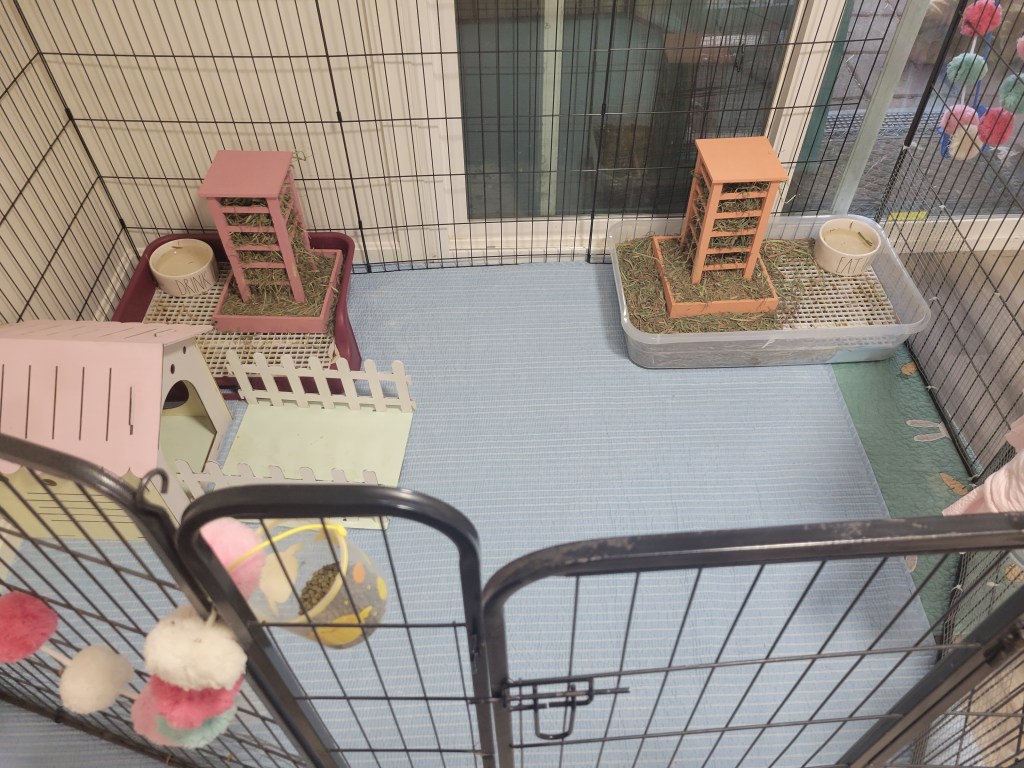
It takes movement for all bones, muscles, and ligaments to develop properly this is why we recommend your bunny be given at least 20 square feet of space to grow and develop in a healthy way. Movement will also prevent a common rabbit medical disease known as sludge bladder. Our motto is this: It’s better to give them the space they need to be healthy than to deal with the pain of a sick bunny or expensive medical bills.
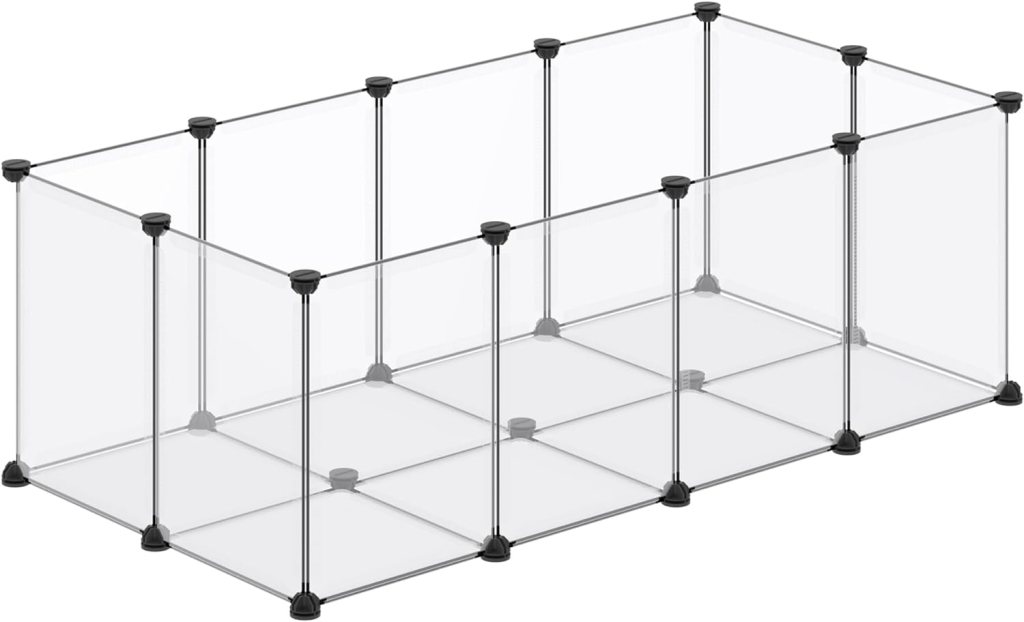
Modular pens can be bought on popular sites like temu and amazon. Just search “small pet play pen”. They are modular so can be built for fit strange nooks around your house. I recommend zip tying the corners together, as many bunnies realize they can push these light weight walls over very easily and escape. The average height of these walls are 12-16 inches so remember to go 2 stacks high.
Litter Box
A litter box often serves as a bunnies feeding station and potty station. Bunnies like to poop as they graze and many people find it best to place the hay feeder inside or right by above the litter box. Rabbits are grazers and will spend a great deal of time here so make it big! The litter box should always be placed in the corner of their x-pen! Unfortunately there is a real lack of good litter boxes available.
Our favorite litter box is grid style! Pee and poop fall down into a compartment below the bunny keeping their feet more sanitary. Search “rabbit litter box” on amazon! The inside compartment can have any bedding, newspaper, old homework, pee pads, or nothing inside it. Overall it will save you more money in the long run too! Not to mention our babies are trained to use grids.

(above) CalPalmy X-Large Rabbit Litter Box with 10PCS Bonus Pads, Drawer, Corner Toilet Box 17.3″ x 13″ - The largest and our favorite bunny litter box on the market. And the poops cant fit through the slots.
We no longer recommend open litter boxes for babies due to fact we have confirmed cases of baby bunnies eating the chunks of recycled newspaper bedding and it becoming a deadly obstruction in their guts.
An open style litter box can be made out of any pan such as a cat litter box or even under bed storage bin.
Safe Bedding Option (below) : Should you choose to use it at your own risk. Note this particular product’s bedding is made of a toilet paper thin shreds of paper. If you have to use bedding use this product or ones like it. Keyword it looks like shredded toilet paper sheets not clumps.

Bad Bedding Option (below): Paper bedding that comes in paper clumps, it looks like recycled cardboard boxes. We have had numerus cases of baby bunnies dying due to obstructed bowels. While it may be safe for an adult bunny, it is a confirmed danger to baby bunnies. They just cant chew the paper pieces apart well enough and it ends up like a piece of bubble gum in their bellies.

Bad Bedding Option Aspen : Gets stuck on their fur, bunnies are always eating and ripping it out of their fur to get it off themselves. Holland Lops in particular have dense fur and these chips drive them nuts. Though everyone loves the smell of Aspen chips it also is rapidly bio degradable, which means it quickly converts into toxic ammonia vapor.
Hay Feeder (optional)
While hay feeders are not necessary, they do help you in the long run by saving money and making sure there is always clean hay for your bunny when you step out of the house for longer periods of time. Hay feeders come in numerous styles and materials. Just keep in mind the material your hay feeder is made out of, some hay feeders are made of plastics or fabrics which can be dangerous when ingested. It tends to be safer to pick a wood or metal hay feeder container.
Any hay feeder you find at your pet store will likely be too small for a bunny and you will find yourself refilling it numerous times a day. It’s better to go online and find one that’s larger. An adult rabbit should eat 1 to 2 times their body size in hay daily, so the hay feeder should be no smaller than an adult rabbit.
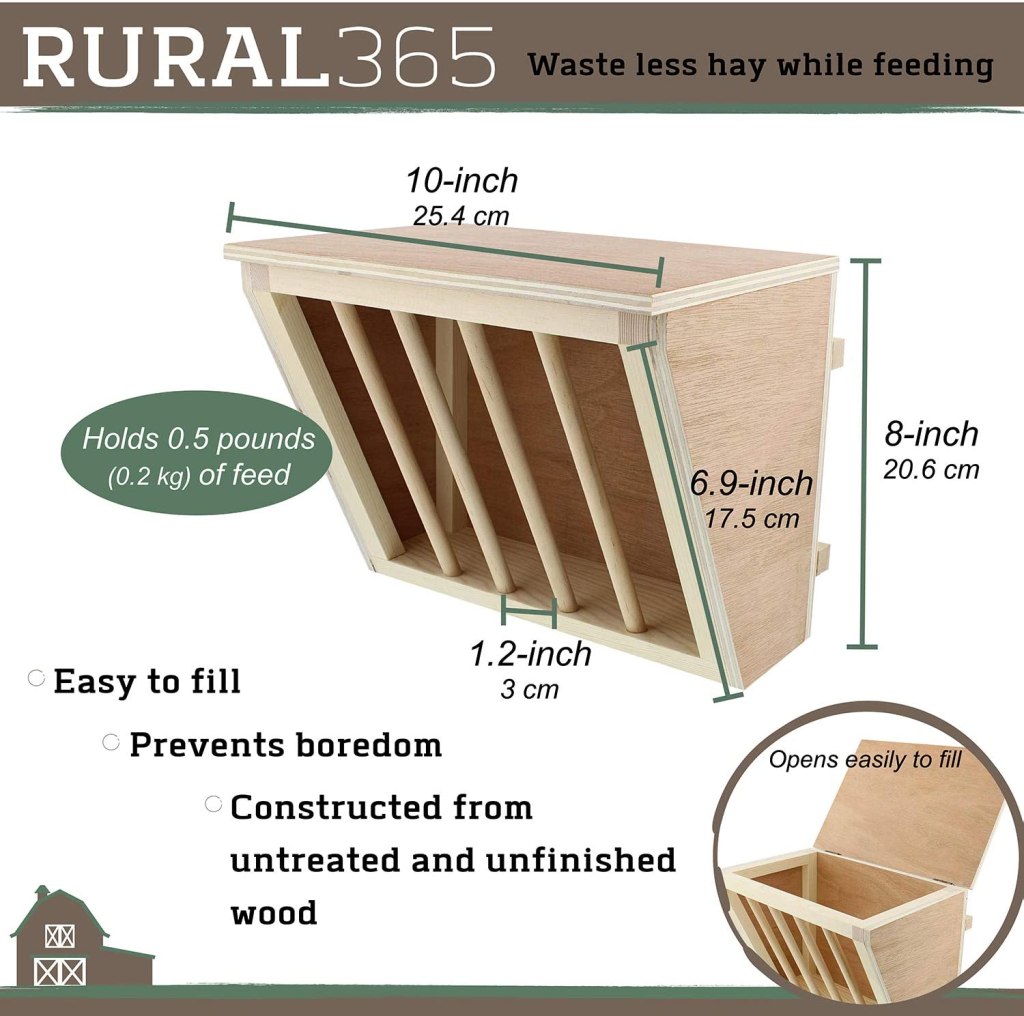
You can go hay feeder less and just place handfuls of hay in their litter box, but the down side of this method is you’ll waste more hay this way. Hay placed directly in the litter box tends to get soiled rapidly and much of it becomes wasted. It’s also ok to just use a big bowl or tray to hold the hay, some bunnies prefer to eat their hay off the ground and not in an elevated position.
Water Bowl
A no-spill or flip water bowl is the best design otherwise you’ll probably find a flipped bowl at some point. Do not use hanging water bottle feeders our bunnies do not know how to use them. We do not support the use of hanging bottle feeders because they clog and lead to dehydration.
Flooring
There are very few flooring that are completely safe for bunny. The goal is to find a flooring at provides comfort and is not easy to rip apart.
NOT SAFE
Shaggy Rugs, Carpets, Felt, Foam!
SAFER
Low Pile Carpet or Aera Rugs, Puppy Whelping mats with quilt pattern, Pet floor mats (non felted type)
Chewing Toys
Rabbits have a natural tendency to try and eat just about everything. It’s all part of growing up, putting things in your mouth to see if it’s edible. The other reason rabbits chew is to wear down their front teeth. One of the best ways you can prevent your bunny from chewing on furniture, baseboards and carpet is by having a few chew toys on hand. I have found if your bunny is going to chew on something they rather it be edible. So here are my favorite chew toys that have served us well. It’s always a hit or miss with chew toys each bunny will develop their own preferences for what sorts of chew toys they like the most.

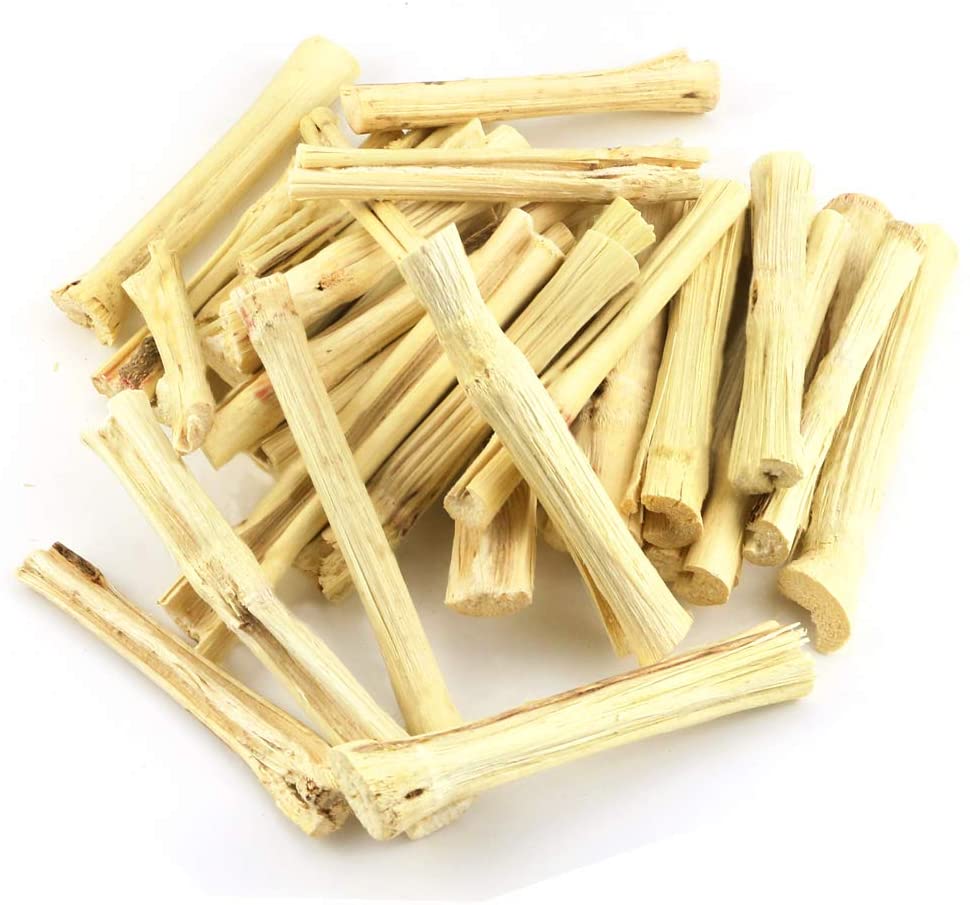

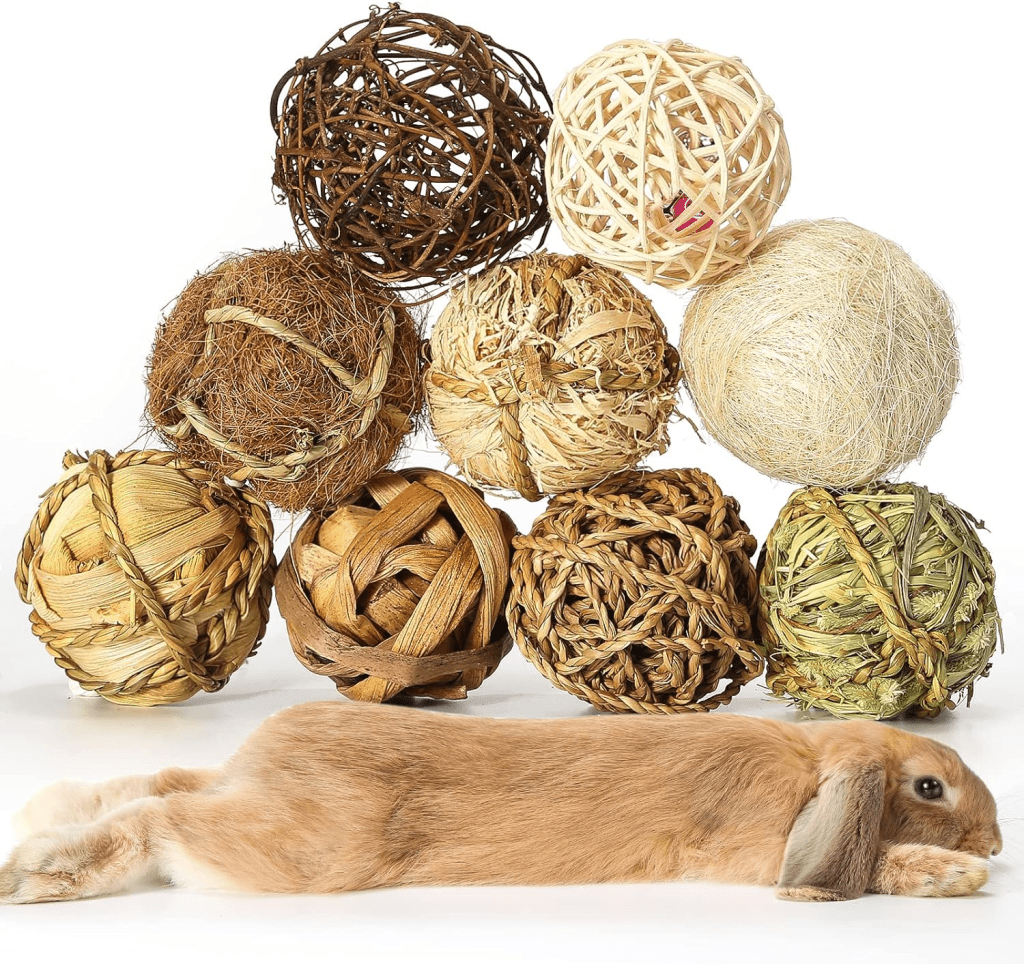

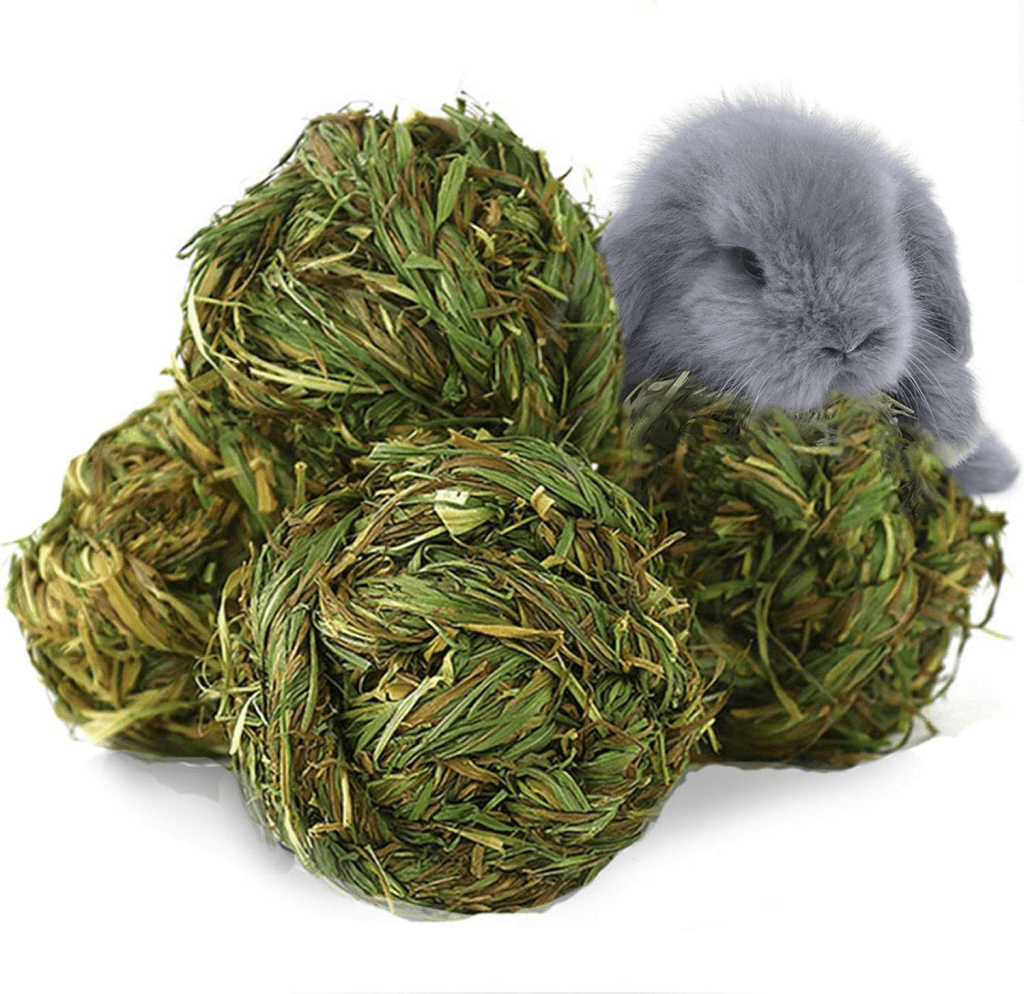
You’ll notice we don’t really like the idea of using wood or pine blocks as toys it just teaches them to gain a taste for wood like table legs and baseboards. Some bunnies get really into the taste of pine and oak.
Bunny Proofing
Protecting your bunny and home. All exposed electrical wires should be tucked away or covered with a protective sheath. I’ve found most of my bunnies chew cords between the ages of 3 months and 6 months old, once they learn they are not pieces of hay they generally stop nibbling on cords.

If you have a plant in your home move it out of their reach or create a small barrier.

Grooming
We like to say with Holland lops grooming is not an option it is a necessity. Holland Lops are more plushy than other rabbit breeds, their coat is medium length and extra fine which makes them super soft to the touch but they can get a little matted near the joints.
Nail clippers: Most pet nail clippers will do, however we do like the ones with the LED lights attached, this way you can illuminate the nail to avoid clipping the quick (blood vessels within the nail).
Small Pet Selects (below) – Hair Buster Comb A patented product so you won’t find any on the store shelves. You can find it on http://www.smallpetselect.com website or on Amazon. There are few brushes that can compare to the efficiency of this comb. It mostly focuses on the undercoat of your bunny. Note: Never rip through a mat with this comb.

Small Slicker brush with protected ends (Below) – Some bunnies end up with more fine hair than others and you can see small mats appear. We highly recommend using a slicker brush to gently tease out mats. When working on the aera around bunnies groin it’s important to be gentle, the skin is very thin here and can tear. There are many models available at stores and online.

 Cuddly Buns